How To Fix Smart Humidifier Ceramic Oscillator Pitting?
Your smart humidifier used to fill the room with a smooth, steady mist. Now it sputters, weakens, or stops working altogether. The problem often traces back to one small but important part: the ceramic oscillator.
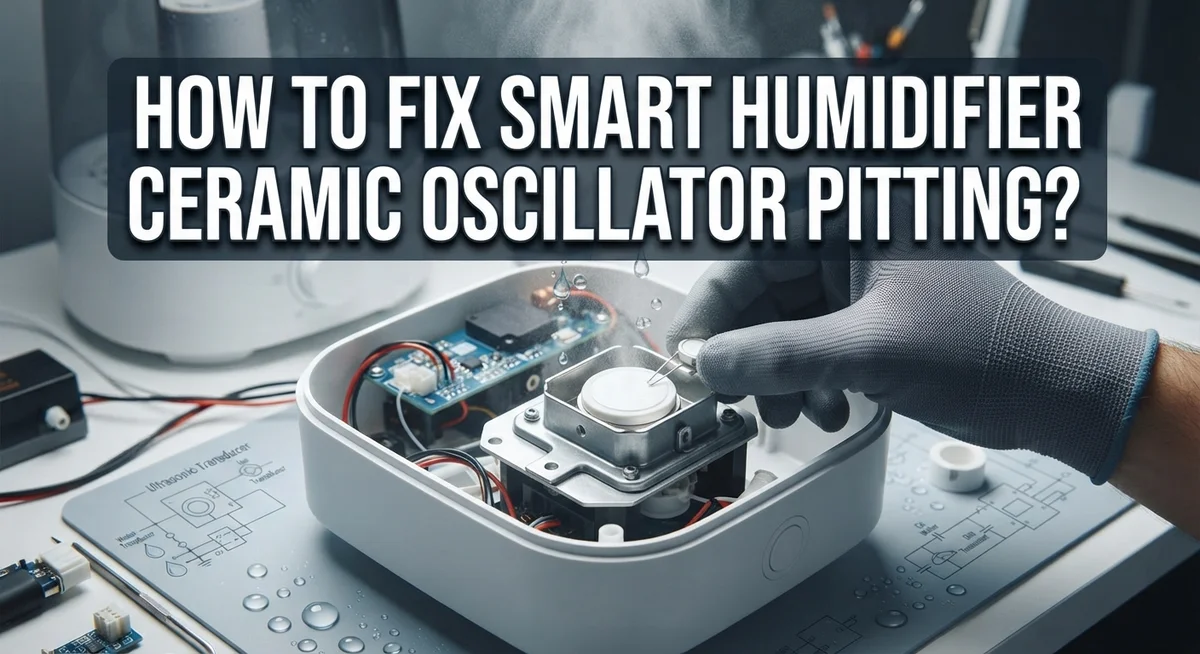
This tiny component vibrates at high speed to break water into fine mist. Over time, hard water minerals build up on its surface. This buildup causes pitting, which are small pits or craters that damage the ceramic surface.
Pitting reduces the oscillator’s ability to create mist efficiently. You might notice weaker output, strange noises, or a humidifier that runs but barely humidifies anything.
In a Nutshell
- Ceramic pitting happens when mineral deposits crystallize on the oscillator surface. This creates tiny pits that reduce mist output over time.
- Hard water is the main culprit. Tap water contains minerals that build up faster than distilled water.
- Check the float mechanism first. A stuck float often mimics pitting symptoms, but it’s a simpler fix.
- Descale your water lines regularly. Use a vinegar solution or descaling product to clear mineral buildup before it reaches the oscillator.
- Pitted ceramic usually cannot be repaired. Once the surface degrades, replacement is typically your best option.
- Prevention beats repair. Switch to distilled water and clean your humidifier weekly to stop pitting before it starts.
- Monthly descaling works well for most hard water areas. Adjust this schedule based on your local water quality.
Understanding Ceramic Oscillator Pitting and Why It Happens
Ceramic oscillator pitting is a surface degradation problem that develops on the tiny vibrating disc inside your smart humidifier. This component sits at the heart of your misting system and works by oscillating thousands of times per second to break water into fine particles.
Why does pitting happen? The main cause is mineral crystallization. When water contains dissolved minerals like calcium and magnesium, these substances don’t simply evaporate. Instead, they accumulate on the ceramic surface over time. As layers build up, the minerals crystallize and create tiny pits or rough spots. This process accelerates dramatically with hard water.
Another contributor is cavitation damage. The intense vibration of the oscillator can create microscopic bubbles in the water. When these bubbles collapse, they release energy that gradually erodes the ceramic surface, forming small pits.
A stuck float valve can make the problem worse. When the float mechanism fails to move freely, water pressure builds up abnormally around the oscillator. This increased stress speeds up pitting and degradation.
What happens when pitting develops? The rough, pitted surface prevents the oscillator from vibrating smoothly. Mist output drops noticeably. You might notice your humidifier runs but produces little to no visible mist. The device still consumes water, but the misting action becomes inefficient.
The timeline matters too. Pitting doesn’t happen overnight. It develops gradually over weeks or months of use, especially if you use tap water. Early signs include reduced mist volume and uneven misting patterns. Catching these signs early gives you options before the damage becomes severe.
Understanding these causes helps you take action quickly and prevents future problems.
Signs Your Humidifier’s Oscillator Needs Attention
Your smart humidifier will show you clear warning signs when the ceramic oscillator needs attention. Catching these early makes repairs much easier.
Reduced mist output is the first signal. Your humidifier still runs, but the mist becomes noticeably thinner or weaker than before. The room takes longer to reach your target humidity level. This happens because the pitted ceramic surface cannot vibrate as efficiently as it once did.
Listen for unusual sounds. A healthy oscillator produces a soft, consistent hum. When pitting develops, you may hear grinding, rattling, or irregular buzzing noises. These sounds mean the vibration pattern has changed and the ceramic surface is no longer smooth.
Check the water output directly. Fill your humidifier and watch the mist outlet closely. If little to no mist appears within a few seconds, the oscillator is likely compromised. Compare this to how it performed when new.
Look for mineral crusting around the mist outlet. White, chalky deposits indicate hard water mineral buildup. This buildup often accompanies pitting and clogs the water delivery system.
Inspect the float mechanism for sticking. The float should move freely up and down. If it feels stuck or moves slowly, water cannot reach the oscillator properly. This mimics pitting symptoms but requires a different fix.
Monitor humidity levels in your room. If your humidifier cannot maintain the humidity you set, the oscillator may be degraded. The device works harder but produces less moisture.
Pay attention to these signs early. Acting quickly prevents complete oscillator failure and keeps your humidifier working effectively. Regular inspections catch problems before they worsen significantly.
Step-by-Step: Inspecting the Float Mechanism
The float mechanism controls water flow to your ceramic oscillator. When it sticks or gets blocked, your humidifier stops misting properly. Inspecting this part is your first troubleshooting step.
Start by unplugging your humidifier. Safety comes first when you open any electrical device. Wait a few minutes to let any remaining power discharge completely.
Locate the float chamber. Most smart humidifiers have a small compartment near the water tank. The float sits inside this chamber and rises or falls with water levels. Check your device manual if you’re unsure where it is.
Remove the float mechanism carefully. Gently pull it out to examine it closely. Look for white, crusty mineral deposits coating the float or chamber walls. These deposits prevent smooth movement.
Check for debris and obstructions. Dust, small particles, or mineral fragments often jam the float. Run your finger along the float’s surface to feel for rough spots or buildup. The float should feel smooth and move freely.
Inspect the valve opening. This small hole allows water to flow when the float rises. Mineral deposits frequently clog this opening. Use a flashlight to peer inside and spot any blockages.
Test the float’s movement. Gently push the float up and down by hand. It should move smoothly without resistance or grinding sounds. Stiff movement indicates mineral buildup or mechanical damage.
Note any cracks or damage. Sometimes floats crack from age or hard water stress. Even small cracks allow water to enter the float, making it sink and malfunction.
Document what you find. This information guides your next repair steps. A stuck float often gets fixed with simple cleaning, avoiding expensive replacements.
Step-by-Step: Descaling Water Lines and the Oscillator
Now that you understand the float mechanism, it’s time to address the real culprit: mineral buildup in your water lines and on the ceramic oscillator itself.
Start by preparing your descaling solution. You have two main options. White vinegar works well for most situations. Alternatively, use a commercial descaling solution made for humidifiers. Mix white vinegar with equal parts distilled water if you choose the vinegar route.
Empty your humidifier completely. Pour out any remaining water from the tank and basin. This prevents mixing old water with your cleaning solution.
Fill the tank with your descaling solution. Use the full strength mixture you prepared. Let it sit for 30 minutes to begin breaking down mineral deposits.
Run the humidifier for 5 to 10 minutes. This pushes the descaling solution through the water lines. You’ll see the solution come out at the mist outlet.
Turn off the humidifier and let it soak for another hour. The solution needs time to dissolve stubborn mineral crusts.
Manually clean the water lines. Use a soft brush or pipe cleaner to gently scrub inside the water channels. Work carefully to avoid damaging delicate tubing.
Rinse thoroughly with distilled water. Run fresh distilled water through the system multiple times. Continue until no vinegar smell remains.
Inspect the ceramic oscillator directly. If you see deep pitting or rough patches, the oscillator likely needs replacement. Light surface deposits can sometimes be cleaned with a soft cloth and distilled water.
Run distilled water through the system one final time before refilling with fresh water for normal use.
Cleaning vs Replacing a Pitted Ceramic Oscillator
When your ceramic oscillator develops pitting, you face a practical decision: clean it or replace it. Understanding when each option works best saves you time and money.
Cleaning works best for early stage pitting. If mineral deposits coat the surface but the oscillator still produces some mist, descaling often restores function. The white, crusty buildup can reduce oscillator efficiency without permanently damaging the ceramic material itself.
Use a vinegar or descaling solution to soak the oscillator. Let it sit for several hours to dissolve mineral crusts. Gently rinse it under running water afterward. This approach is cost effective and worth trying first.
Replacement becomes necessary for severe pitting. Once the ceramic surface develops deep pits and cavities, cleaning cannot restore it. The damage is permanent. Severe pitting reduces mist output dramatically and creates weak, inconsistent performance that cleaning cannot fix.
The key difference lies in depth. Surface mineral buildup responds to cleaning. Structural damage from prolonged pitting does not.
Prevention prevents this choice altogether. Using distilled water minimizes mineral accumulation that causes pitting. Regular monthly descaling keeps mineral deposits from building up in the first place. These simple habits extend your oscillator’s life significantly.
If you clean your oscillator and mist output remains poor after a few days, replacement is likely your next step. Most smart humidifiers make oscillator replacement straightforward. You simply remove the old unit and insert a new one without tools.
Test your humidifier after cleaning. Run it for 30 minutes and observe the mist quality. Strong, consistent mist means your cleaning worked. Weak or sporadic mist indicates the pitting is too severe for cleaning to help.
Preventing Future Pitting and Mineral Buildup
Using distilled water is your first and most effective defense against ceramic pitting. Tap water contains minerals like calcium and magnesium that accumulate on the oscillator surface. These minerals crystallize over time and create the pitting damage you want to avoid. Distilled water removes this problem entirely because it lacks these harmful minerals.
Set up a regular cleaning schedule based on your water hardness. If you live in a hard water area, plan monthly descaling sessions. Softer water regions can extend this to every two or three months. Regular maintenance prevents mineral buildup before it becomes a serious problem.
Keep your humidifier’s float mechanism clean and moving freely. Debris and mineral fragments can jam the float, which prevents proper water flow. Check it monthly by gently removing and inspecting it for obstructions. A stuck float means the oscillator runs dry, which accelerates pitting damage.
Empty and refill your water tank every two to three days. Fresh water prevents stagnation and reduces mineral concentration in the basin. This simple habit dramatically slows down oscillator degradation.
Monitor your mist output carefully. A gradual reduction in mist production signals early pitting or mineral accumulation. Catch these warning signs early and descale immediately rather than waiting for complete failure.
Store your humidifier properly during off seasons. Drain all water and let it dry completely before storage. Residual water sitting in the basin creates concentrated mineral deposits that damage the ceramic surface.
These prevention steps work together to extend your ceramic oscillator’s lifespan. Combining distilled water, regular cleaning, and proper storage keeps your humidifier functioning smoothly for years.
Common Mistakes That Worsen Oscillator Damage
Using tap water is the biggest mistake you can make. Hard water contains minerals like calcium and magnesium. These minerals accumulate on your ceramic oscillator and cause pitting to speed up dramatically.
Many people ignore early warning signs. When mist output drops by half, that’s your signal to act. Waiting another week allows more pitting to develop. Early action saves your oscillator.
Neglecting the float valve inspection creates a cascade of problems. A stuck float prevents water from reaching the oscillator properly. Without proper water flow, mineral deposits concentrate in one spot. This concentrated buildup accelerates pitting damage.
Skipping regular descaling is another critical error. You don’t need to wait for visible problems. Monthly descaling in hard water areas keeps mineral buildup from forming. Quarterly descaling works fine for soft water regions.
Leaving standing water in your humidifier between uses causes trouble. Stagnant water allows minerals to crystallize and harden. These crystals then scratch and pit the ceramic surface when the oscillator vibrates.
Using undiluted vinegar or descaling solution without proper soaking time wastes your effort. The solution needs at least one hour to break down mineral crusts. Rushing this step means incomplete cleaning and continued pitting.
Disassembling the oscillator incorrectly damages delicate components. If you must remove it, handle the ceramic gently. One drop onto a hard surface creates cracks that worsen pitting.
Storing your humidifier while wet invites mineral crystallization. Always empty the tank and basin completely before storing. Residual water left inside creates ideal conditions for mineral deposits to harden and bond to ceramic surfaces permanently.
Troubleshooting Persistent Mist Output Problems
When your humidifier’s mist output weakens or stops completely, the float mechanism often bears responsibility. This small component controls water flow to your ceramic oscillator. Start by checking if it moves freely. Open your humidifier and locate the float valve, usually a small ball or cup that rises and falls with water levels.
Press gently on the float to see if it sticks or feels stuck. A stuck float prevents water from reaching the oscillator, which means no mist production. Debris and mineral deposits frequently cause this sticking problem. Remove any visible particles or crusty buildup around the float. A soft brush works well for this task.
Next, inspect the water lines connected to your float mechanism. Mineral deposits from hard water can completely block these passages. When water cannot flow through, your oscillator cannot vibrate properly. Soak the float assembly in a vinegar solution for 30 minutes to dissolve mineral crusts. Use a gentle stream of distilled water to rinse away loosened deposits.
After cleaning, test the float’s movement again. It should move up and down smoothly without resistance. If the float still sticks after cleaning, mineral damage may require replacement of that component.
Pay attention to your mist output during this process. Weak mist that gradually disappears signals float problems. Catching this early prevents complete system failure. Check your float mechanism monthly if you use tap water, or every three months with distilled water.
Persistent mist problems often stem from float issues rather than oscillator failure. Addressing the float first saves time and money before considering oscillator replacement.
Final Thoughts
Fixing a pitted ceramic oscillator takes patience and the right approach. You now know how to spot early warning signs. You also know which steps actually solve the problem.
Cleaning helps in mild cases. But once pitting goes deep, replacement becomes your best option. There is no way around this fact.
The float mechanism deserves your attention too. A stuck float causes just as many mist problems as a damaged oscillator. Check it often.
Descaling remains your strongest tool against mineral buildup. Do this monthly if you live in a hard water area. Skip it and you invite trouble.
Prevention beats repair every single time. Switching to distilled water protects your oscillator from the start. This simple change saves you money and hassle later.
Watch your humidifier’s mist output closely. A sudden drop tells you something needs attention right away. Waiting only makes the damage worse.
Your maintenance routine matters more than any single fix. Regular cleaning, proper water choice, and careful storage all work together. These habits protect your device for years.
Mistakes happen, but they don’t have to repeat. Learn from tap water damage or skipped descaling sessions. Each lesson makes you better at caring for your humidifier.
If you ever face severe pitting again, you’ll know what to do. Inspect first, clean when possible, and replace when necessary. This process never really changes.
Your smart humidifier can serve you well for a long time. Treat the ceramic oscillator with care, and it rewards you with steady, reliable mist. Good habits today prevent bigger headaches tomorrow.
Frequently Asked Questions
Can a pitted ceramic oscillator be repaired or must it be replaced?
Once ceramic pitting becomes visible, repair is rarely effective. Pitting creates tiny pockets that disrupt vibration patterns. These damaged areas prevent smooth misting action. Cleaning might help with minor surface deposits, but deep pitting requires replacement. Think of it like a dented speaker cone. You can clean it, but the damage stays permanent.
How often should I descale my humidifier in hard water areas?
Monthly descaling is your best defense in hard water regions. Hard water contains minerals that crystallize on your ceramic oscillator. These deposits build up quickly and cause pitting over time. If you notice mist reduction after just a few weeks, increase descaling to every two weeks. Soft water areas can get away with quarterly descaling.
What causes mineral crystallization and pitting on the ceramic oscillator?
Minerals in tap water settle on your oscillator as water evaporates. These minerals harden into crusty deposits. Over time, they create rough patches and small pits. Cavitation also plays a role. This happens when tiny bubbles collapse on the ceramic surface, creating microscopic damage. Both processes combine to degrade your oscillator’s performance.
Why does my float mechanism get stuck even after cleaning?
Mineral deposits accumulate around the float valve, restricting movement. Debris from degraded ceramic can also jam the mechanism. Gently press the float to test for sticking. If it doesn’t move smoothly, soak the area with a descaling solution for 30 minutes. Sometimes the float guide itself needs cleaning. Check that the float moves freely up and down without resistance.
Should I use distilled water or tap water in my humidifier?
Distilled water eliminates mineral problems entirely. Tap water introduces hard minerals that damage your oscillator. Mineral water and spring water also contain deposits. Distilled water costs more upfront but saves you from expensive repairs. Your oscillator will last significantly longer with distilled water.

Hi, I’m Rue Hessel, the founder and voice behind TheGenTool. I’m a passionate tech enthusiast who loves exploring the latest gadgets, smart devices, and electronics that shape our everyday lives. Through my website, I share honest, hands-on reviews of trending Amazon products to help you make smarter and more confident buying decisions.