
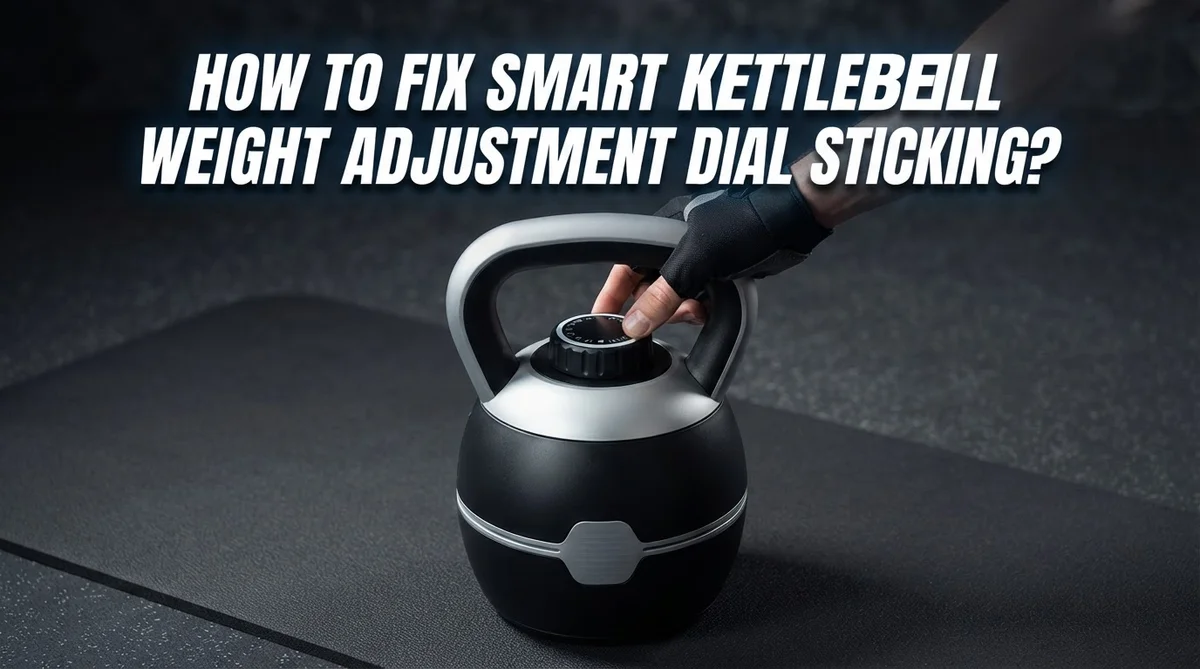
How To Fix Smart Kettlebell Weight Adjustment Dial Sticking?
Does your smart kettlebell dial refuse to budge? You are not alone. This is one of the most common issues with adjustable kettlebells.
A stuck dial usually happens for a simple reason. The weight plates inside the base do not match your selected setting.
The good news? You can fix this yourself in just a few minutes. No tools or repair skills needed.
In a Nutshell
- Check the weight setting first. Look at the number shown on the dial. This tells you what plates should be inside the base.
- Match plates to the dial. Open the base and confirm the correct plates sit inside. A missing plate often causes the stuck feeling.
- Take the handle off the base. This gives you clear access to the adjustment knob without any blockage.
- Use a gentle push and pull motion. Press the knob slightly while turning it. Never force the dial since this can damage the mechanism.
- Turn the dial clockwise. This increases your weight selection smoothly once the plates are aligned properly.
- Recheck plate inventory often. Most sticking problems come from a simple mismatch between the dial and the plates inside the base.
Understanding How the Weight Adjustment Dial Works
Your smart kettlebell dial works through a simple mechanical system. The dial rotates clockwise to select different weight settings. Each number on the dial corresponds to a specific weight combination inside the base.
How the internal system functions is straightforward. The kettlebell contains multiple weight plates stacked in the base. When you turn the dial to a specific number, you are telling the kettlebell which plates should be active. For example, turning the dial to 8 pounds means the system expects a 5 pound plate plus a 3 pound plate to be locked in position.
The adjustment knob connects directly to a shaft inside the base. This shaft controls which weight plates align with the handle assembly. When plates align correctly, the handle lifts smoothly with the selected weight. If plates do not align, the dial becomes difficult or impossible to turn.
Understanding the connection between dial and plates prevents most sticking problems. The dial does not actually add or remove weight. Instead, it positions the handle to grab different combinations of plates from the base. Think of it like a puzzle where every piece must fit perfectly.
The mechanism relies on precise alignment. Weight plates sit in specific slots within the base. The dial setting must match which plates are physically installed. If you have removed or added plates, the dial and internal configuration may no longer match.
The dial sticks when this alignment fails. Your kettlebell is essentially telling you something is wrong. The dial resists turning because the internal mechanism cannot complete its rotation smoothly. This is actually a safety feature. It prevents you from selecting a weight that does not exist inside the base.
Knowing how this system works helps you troubleshoot faster. You will understand why checking your plate inventory comes first. You will also see why removing the handle assembly gives you better access to fix the problem.
Why the Dial Sticks: Common Causes Explained
Your smart kettlebell dial sticks for specific reasons. Understanding these causes helps you fix the problem quickly.
Misaligned weight plates create the most common sticking issue. The dial setting must match the actual weight plates inside your base. If you select 25 pounds but only 20 pound plates are installed, the dial cannot rotate fully. The internal mechanism physically blocks the dial from moving because the configuration does not match.
Debris and dust accumulation slows down dial movement. Dust particles enter the base during regular use. They settle around the adjustment shaft and weight plates. This buildup creates friction that makes rotation difficult or impossible.
Improper handle assembly placement causes unexpected sticking. When the handle sits incorrectly on the base, it can press against internal components. This pressure restricts the dial’s movement. The handle assembly must sit flush and centered for smooth operation.
Worn internal components develop over time with heavy use. The adjustment shaft can become bent or damaged. Weight plates may shift out of their proper positions. These mechanical changes prevent smooth dial rotation.
Forcing the dial too hard damages the internal mechanism. Many people try to power through resistance instead of investigating the cause. This aggressive turning can strip the internal gears or bend the shaft. Gentle pressure always works better than force.
Temperature changes affect mechanical performance slightly. Cold temperatures can make lubricants thicker. Heat can cause slight expansion in metal components. These changes rarely cause complete sticking but can contribute to resistance.
Incomplete weight plate installation happens during setup or maintenance. A plate might sit crooked in the base. Another plate could be missing entirely. Your dial cannot function properly without all required plates seated correctly.
Each cause has a different solution. Identifying which cause applies to your situation determines your next step forward.
Step-by-Step Guide to Fixing a Stuck Dial
When your smart kettlebell dial refuses to budge, you need a systematic approach. Start by understanding what’s actually stuck before you apply force.
Check your dial setting first. Look at the number displayed on the adjustment knob. Write down this number because you’ll need it for the next steps. This tells you what weight your kettlebell thinks it should be.
Open the base and inspect the weight plates. Remove the kettlebell from its stand if possible. Look inside the base unit and count the weight plates. For example, if your dial shows 8 pounds, you should see a 5 pound plate and a 3 pound plate inside. If the plates don’t match the dial setting, you’ve found your problem.
Remove the handle assembly completely. This step matters more than most people realize. The handle can press against internal components and prevent smooth rotation. Lift it straight up and set it aside on a clean surface.
Apply gentle pressure while rotating the dial. Hold the adjustment knob and push it slightly inward toward the base. At the same time, turn it clockwise slowly. Don’t jerk or force it. A smooth, steady motion works best here. You should feel slight resistance, not complete immobility.
Rotate clockwise to your desired weight. Keep turning until the dial reaches the weight you want. The internal mechanism should click into place as you rotate.
Reinstall your weight plates if needed. If plates were missing or misaligned, put them back correctly before reattaching the handle. Make sure each plate sits flat and secure in its slot.
Test the dial movement several times. Rotate it up and down through different weight settings. Smooth operation means you’ve solved the problem. Resistance still present means you may need professional service.
Checking and Verifying Internal Weight Plate Configuration
Before you try rotating the dial, you need to understand what’s inside your kettlebell base. The internal weight plate configuration determines whether your dial can move freely or stays stuck.
Start by checking your current dial setting. Look at the number shown on your adjustment knob right now. Write down this number so you remember it.
Next, remove the handle assembly from the base completely. This gives you clear access to see all the weight plates installed inside. Don’t skip this step because it’s crucial for accurate inspection.
Now look inside the base cavity. You should see metal weight plates stacked together. Count them carefully. Each weight plate represents a specific amount of weight in your kettlebell system.
Here’s the key part: your dial setting must match the weight plates actually present in the base. If your dial shows an 8 pound setting, you need to verify that the corresponding weight plates for that setting are installed. A mismatch between dial position and available plates causes sticking.
Check if any weight plates appear loose or misaligned. Even slightly shifted plates can prevent the dial from rotating smoothly. All plates should sit flat and properly positioned in the base.
Verify that no weight plates are missing entirely. If your kettlebell originally came with specific plates for certain weight settings, confirm they’re all there. Missing plates mean your dial cannot reach those weight settings without problems.
Look for any visible debris, dust, or corrosion on the plates themselves. Buildup prevents smooth mechanical operation. Clean any visible contamination gently with a dry cloth.
Once you’ve confirmed the plate configuration matches your dial setting, you can proceed with rotation. This verification step prevents 90 percent of dial sticking issues. Many people skip this and waste time forcing the dial unnecessarily. Take five minutes now to inspect properly, and your adjustment will work smoothly.
Tips for Smooth Dial Rotation Going Forward
Keeping your smart kettlebell dial smooth requires simple maintenance habits. You should rotate the dial regularly, even when you’re not using the kettlebell. This prevents the internal mechanism from sticking due to inactivity.
Apply gentle pressure consistently. When you adjust the weight, use a soft push and pull motion on the knob. Avoid sudden jerking movements that strain the internal components. Your dial will respond better to gradual, steady pressure than to force.
Keep the base area clean and dry. Moisture and dust accumulate around the dial opening over time. Wipe down the exterior of your kettlebell weekly with a dry cloth. This simple step prevents debris from entering the adjustment mechanism.
Check your dial position before each workout session. Verify that your selected weight matches the plates actually inside the base. This habit catches misalignment problems early before they cause sticking. A quick visual inspection takes only seconds.
Rotate through the full dial range monthly. Move from the lightest setting to the heaviest, then back again. This keeps all internal gears and mechanisms moving freely. You’ll notice immediately if resistance develops somewhere in the rotation cycle.
Store your kettlebell in a climate controlled environment. Temperature swings cause metal parts to expand and contract slightly. Extreme conditions can make the dial stiffer than normal. A stable room temperature keeps everything functioning smoothly.
Handle the adjustment knob with care during use. Don’t grip it too tightly or twist it aggressively. Treat it as a precision mechanism rather than a heavy duty lever. Gentle handling extends the lifespan of your dial significantly.
Replace any worn handle grips promptly. A loose or damaged grip makes you grip harder, which transfers extra pressure to the dial. Fresh grips improve your control and reduce strain on the adjustment system. These preventive steps keep your kettlebell working perfectly for years.
Common Mistakes That Make Sticking Worse
Many people make mistakes that actually make dial sticking worse. Understanding these errors helps you avoid them.
Forcing the dial without preparation is the biggest culprit. People grab the knob and turn hard, hoping it will move. This damages internal mechanisms and makes sticking permanent. The dial needs gentle, consistent pressure, not brute force.
Adjusting without checking internal plates causes major problems. You rotate the dial to a weight setting, but the matching weight plates don’t exist inside your base. The dial physically cannot move because the internal configuration doesn’t align with your selection. Always open the base first and verify which plates are actually installed.
Skipping the handle assembly removal is another common error. People try rotating the dial while the handle sits in the base. This creates friction and resistance that makes everything feel stuck. Removing the handle completely gives you full access and removes unnecessary pressure points.
Ignoring loose or misaligned plates leads to repeated sticking. Weight plates shift during storage or transport. A single plate out of position blocks dial rotation. Check that every plate sits flat and secure before attempting adjustment.
Operating a dirty or corroded dial makes sticking worse over time. Dust and moisture accumulate on the adjustment knob and internal mechanisms. This buildup increases friction with each turn. Forcing the dial through debris causes scratches and permanent damage.
Rotating the dial too quickly creates resistance. Fast, jerky movements catch on internal components. Smooth, slow rotation works much better.
Storing your kettlebell in humid environments causes corrosion that blocks movement. Moisture promotes rust on metal parts and makes the dial extremely difficult to turn.
These mistakes compound each other. One error leads to another, and soon your dial feels completely stuck. Prevention through proper technique saves you time and frustration.
Troubleshooting Persistent or Recurring Issues
When your smart kettlebell dial keeps sticking even after you’ve cleaned it, the problem usually runs deeper than surface debris. Persistent sticking means something inside the mechanism needs attention.
First, check if you’re experiencing the same sticking point every time. Does the dial get stuck at specific weight settings? This pattern tells you whether the issue is mechanical resistance or a misaligned component. Mark the exact spot where sticking happens so you can investigate that area specifically.
Remove the handle assembly again and inspect the dial mechanism itself. Look for bent or warped parts around the adjustment knob. Even small deformations can cause recurring problems. The internal gears or pins that connect the dial to weight plate selection might have shifted over time.
Apply lubricant designed for mechanical parts to the dial mechanism. Use only small amounts. Too much lubricant traps dust and makes sticking worse. Work the dial back and forth gently after applying lubricant so it distributes evenly throughout the mechanism.
Check whether the base unit has developed cracks or stress fractures. Damage to the plastic or metal housing can prevent the dial from rotating smoothly. If you spot any cracks, the base itself may need replacement.
Test the dial through its full range of motion multiple times. Repeat this process weekly to identify whether sticking is improving or getting worse. If sticking persists after these steps, the internal weight plate selection mechanism may have permanent damage.
Document exactly what happens when sticking occurs. Does the dial move slightly then stop? Does it resist from the start? This information helps you determine whether you need professional service or component replacement. Most recurring sticking issues trace back to either mechanical damage, misaligned internal parts, or inadequate lubrication that wasn’t distributed properly during initial cleaning.
Final Thoughts
Fixing a sticking dial on your smart kettlebell does not need to be complicated. Most sticking problems come from a simple mismatch between your dial setting and the weight plates inside the base.
Once you understand this connection, fixing the issue becomes much easier. Check the plates first, then work on the dial. This order matters every single time.
Patience makes a big difference here. Gentle pressure works better than force when you rotate the knob. Forcing the mechanism only creates more damage and frustration.
Remember that removing the handle assembly gives you better access to the dial mechanism. This step often gets skipped, but it solves many sticking problems quickly.
Your kettlebell is a precision tool. Treating it with care extends its life and keeps your workouts running smoothly. A few extra seconds of careful handling saves you time later.
If basic fixes do not work, do not panic. Sometimes the problem needs a closer look at internal components or professional support. This is normal for mechanical equipment that gets regular use.
Think of dial maintenance as part of your fitness routine. Just like you warm up before exercise, your kettlebell needs occasional attention too. This simple habit prevents most future sticking issues.
Small steps make a real difference over time. Checking plates, using gentle motions, and keeping the base clean all work together. These habits protect your investment and keep your workouts consistent.
Every kettlebell owner deals with dial issues eventually. You now have the knowledge to handle these problems calmly and effectively. Trust the process, and your dial will cooperate again.
Your kettlebell should support your fitness goals, not interrupt them. With the right approach, you can fix sticking issues quickly and get back to your workout routine without unnecessary delays or stress.
Frequently Asked Questions
Why does my smart kettlebell dial stick in the first place?
Your dial sticks when the internal weight plate configuration doesn’t match your dial setting. The most common cause is attempting to adjust the dial without removing the handle assembly first. When the handle stays attached, it blocks smooth rotation and creates friction against the dial mechanism.
Dirt and moisture also cause sticking. Over time, dust settles inside the base unit. Humidity can lead to minor corrosion on the dial itself. Both issues make rotation harder and harder.
What’s the fastest way to unstick my dial right now?
Start by removing the handle assembly completely from the base. This single step removes most resistance. Next, check that all weight plates inside the base match your current dial setting. If a plate is missing or misaligned, the dial won’t turn freely.
Once you’ve verified the plates, apply gentle push pull pressure to the adjustment knob while rotating it clockwise. Don’t force the dial. Use slow, steady motions instead. This approach works for most sticking issues.
Can I fix this without taking the kettlebell apart?
You can try basic solutions first. Clean the dial area with a dry cloth to remove dust. Check your dial setting against the weight plates visible in the base unit.
However, removing the handle assembly gives you much better access. It takes only minutes and lets you see exactly what’s causing the problem. This step is worth doing because it solves the issue in most cases.
How do I prevent the dial from sticking again?
Keep your base unit clean and dry. Wipe it down after workouts. Store your kettlebell in a dry environment away from humidity.
Before adjusting the dial, always verify that your desired weight setting has matching plates inside. Rotate the dial slowly and gently. Never force it. These simple habits prevent most sticking problems from returning.

Hi, I’m Rue Hessel, the founder and voice behind TheGenTool. I’m a passionate tech enthusiast who loves exploring the latest gadgets, smart devices, and electronics that shape our everyday lives. Through my website, I share honest, hands-on reviews of trending Amazon products to help you make smarter and more confident buying decisions.