How To Fix Smart Refrigerator Vacuum Seal Grabbing Too Tight?
You just closed your smart fridge, and now the door won’t budge. Sound familiar?
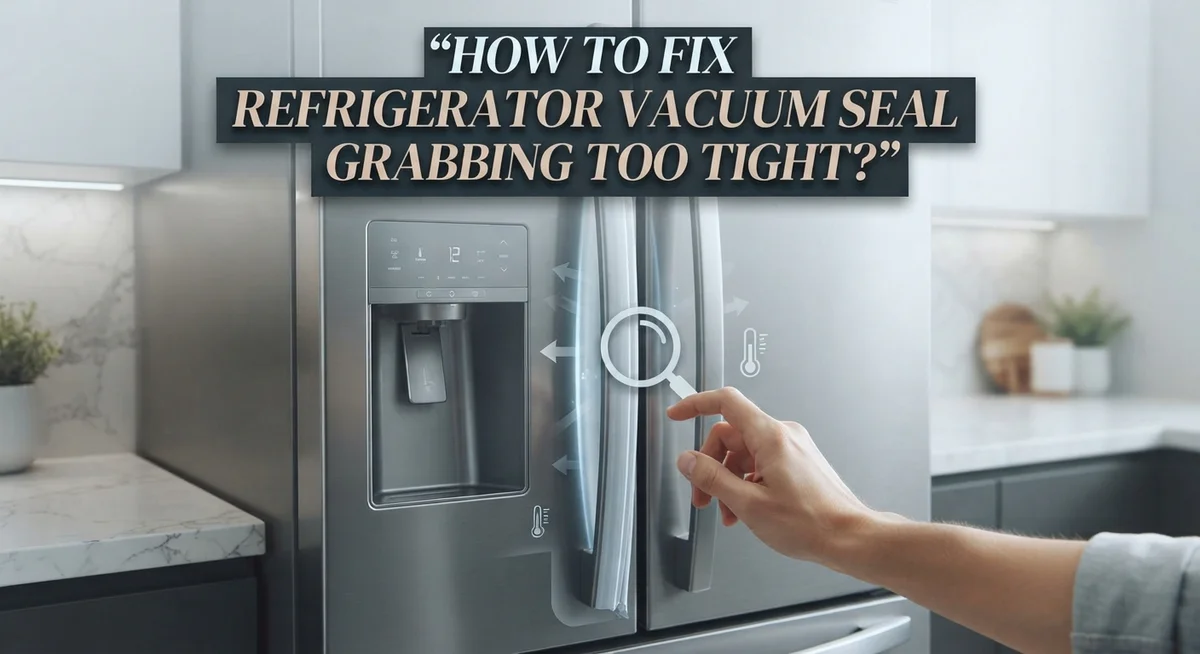
This happens because of a vacuum seal effect. Your fridge door creates suction when it shuts. Sometimes that suction grabs too tight.
Don’t worry. This is a common issue with many smart refrigerators. It’s often part of the design, not a broken appliance.
The good news? You can fix this at home. No need to call a repair technician right away.
In a Nutshell
- Wait it out first. The vacuum effect often fades within a minute or two. Give it a moment before trying anything else.
- Use the spoon trick. Slide a spoon or thin tool gently between the door and seal. This breaks the suction without damaging the rubber.
- Check door alignment. A misaligned door creates extra pressure. Adjusting the hinges can reduce this problem long term.
- Clean the rubber seal regularly. Dirt and grime make seals grab harder. Wipe them down with a damp cloth every few weeks.
- Never force the door open. Pulling hard can tear or warp the seal. This leads to bigger repair issues later.
- Know it’s often normal. Many smart fridges are built this way. Tight seals actually help keep your food fresh longer.
Why Refrigerator Doors Create a Vacuum Seal
Your smart refrigerator creates a vacuum seal whenever you close the door. This happens because cold air inside the fridge is denser than warm air outside. When the door shuts, the rubber gasket traps this cold air, creating a pressure difference between inside and outside.
The seal works by design. It keeps your food fresh longer by preventing warm air from entering. The rubber gasket compresses tightly against the door frame. This compression is what makes the seal so effective at maintaining temperature.
However, this same mechanism causes the grabbing problem. As the fridge cools, the air inside contracts slightly. This creates negative pressure, which pulls the door inward. The effect becomes stronger the longer the door stays closed.
Smart refrigerators often have this issue more noticeably than older models. Their seals are engineered to be extra tight. This improves energy efficiency and food preservation. The trade off is that the door can feel stuck.
The vacuum effect is temporary. Air pressure naturally equalizes over time. That’s why waiting a minute or two often solves the problem without any action on your part.
Understanding this process helps you avoid panic. You’ll know the door isn’t broken. The seal isn’t damaged. The fridge is simply doing its job too well.
Different models handle this differently. Some fridges have pressure release vents built in. Others rely on you to manually break the seal. Knowing how your specific model works prevents frustration.
This knowledge is your first step toward fixing the problem. Once you understand why it happens, you can apply the right solution. Your door will open smoothly again.
Signs Your Door Seal Is Grabbing Too Tight
Your smart refrigerator door seal can show several warning signs when it’s grabbing too tight. Recognizing these signs helps you address the problem before it gets worse.
The most obvious sign is difficulty opening the door after closing it. You’ll feel strong resistance when you pull. The door might seem stuck or require extra force to budge. This resistance happens because air pressure builds up inside the fridge, creating a vacuum effect against the seal.
Another sign is audible suction sounds when you try to open the door. You might hear a loud pop or hissing noise. This sound means the vacuum is breaking as you pull. If you hear this every single time you open the door, your seal is likely grabbing too tight.
Look for visible seal deformation around the door edges. The rubber might appear compressed or flattened in certain spots. You may also notice the seal sticking to the fridge frame even when the door is fully closed. This sticking means the seal isn’t releasing properly.
Pay attention to temperature fluctuations inside your fridge. A seal that grabs too tight can actually trap warm air inside during the day. Your fridge might work harder to maintain cold temperatures. You’ll notice this on your energy bills or hear the compressor running more frequently.
Finally, check if the door won’t stay open on its own. A properly functioning door should stay open at a reasonable angle without slamming shut. If your door slams closed repeatedly, the seal is pulling too hard.
These signs tell you it’s time to adjust your door alignment or clean your seal. Don’t ignore them, as they indicate your refrigerator needs attention.
Step-by-Step: Releasing a Stuck Door Safely
Start by taking a deep breath. A stuck door doesn’t mean your refrigerator is broken. The vacuum seal is doing its job, but you need to release that pressure safely.
Wait one to two minutes first. The suction effect often weakens on its own. This gives the internal pressure time to equalize. Resist the urge to yank the door open immediately.
If the door still won’t budge, try the spoon technique. Grab a regular spoon or butter knife from your kitchen drawer. Slide it gently between the door frame and the rubber seal at the top corner. Apply slow, steady pressure without forcing anything. The goal is to break the seal gradually, not damage it.
Once you feel a small gap forming, insert a paper towel or thin cloth into the opening. This lets air flow inside and reduces the vacuum effect. You’ll likely hear a soft hissing sound as pressure releases. That’s exactly what you want.
Now pull the door open slowly and smoothly. Jerky motions can harm the seal material. Move at a steady pace to avoid sudden stress on the rubber edges.
After opening the door, leave it ajar for about 30 seconds. This prevents an immediate vacuum from forming when you close it again.
Check the door alignment next. A crooked door creates uneven pressure and makes grabbing worse. Look at the rubber seal from the side. It should sit evenly around the entire frame without gaps or bulges.
If the seal looks twisted or misaligned, gently adjust the door position by opening and closing it a few times. Sometimes this resets the seal naturally.
Adjusting Door Alignment to Reduce Excess Suction
Door alignment plays a crucial role in how tightly your smart refrigerator seal grabs. When the door sits crooked or uneven, it creates uneven pressure points. These pressure points cause the vacuum to pull harder in some spots than others.
Start by closing your refrigerator door gently and observing how it sits. Look at the top, middle, and bottom of the door frame. The door should line up evenly on all sides. If you notice gaps on one side or the door tilts slightly, misalignment is your problem.
Check the door hinges carefully. Most smart refrigerators have adjustable hinges that let you move the door up, down, left, or right. Open your refrigerator door fully and locate these hinges. They’re usually near the top and bottom of the door frame.
Make small adjustments to the hinges one at a time. Tighten or loosen the adjustment screws slowly. After each adjustment, close the door and test how it feels. The door should close smoothly without excessive suction sounds.
Pay attention to the seal’s contact surface. The rubber seal should touch the frame evenly all around. If the door pulls away from the frame in certain spots, those areas aren’t sealing properly. This causes the refrigerator to work harder and creates stronger grabbing sensations.
Open and close the door several times after adjusting. This helps the seal settle into its new position. You should notice the grabbing sensation decreasing as alignment improves. If the problem persists after alignment adjustments, move on to cleaning and maintaining your seal itself.
Cleaning and Maintaining the Rubber Door Gasket
Your smart refrigerator’s rubber door gasket works hard to keep cold air inside. Over time, dirt, food particles, and moisture build up on this seal. This buildup makes the seal grab even tighter than normal.
Start your cleaning routine monthly. Open your refrigerator door fully and locate the black rubber gasket running around the frame. Gently pull the seal away from the frame to expose the groove underneath. You’ll likely see dust and debris collected there.
Use a soft cloth or sponge with warm water to wipe the entire rubber surface. Pay special attention to the crevices where the seal meets the door. These spots trap the most dirt and grime.
For stubborn buildup, mix warm water with a small amount of mild soap. Dampen your cloth in this solution and scrub the gasket thoroughly. Avoid harsh chemicals or abrasive scrubbers that damage the rubber material.
Dry everything completely before pushing the seal back into place. Moisture left behind can cause mold growth and worsen the grabbing problem.
Check the groove channel on your refrigerator frame too. Wipe out any debris you find there with a dry cloth. A clean channel allows the seal to sit properly and function as designed.
After cleaning, close your door gently and test how it opens. A clean gasket often reduces excessive suction immediately. If the grabbing persists after thorough cleaning, your seal may need adjustment or replacement.
Perform this cleaning task every month for best results. Regular maintenance prevents the seal from becoming so tight that opening your refrigerator becomes frustrating.
Quick Fixes: The Spoon and Paper Towel Tricks Explained
The spoon and paper towel tricks are simple methods that help release pressure when your smart refrigerator door grabs too tight. These tools work because they create a small gap that breaks the vacuum seal.
The spoon technique starts with finding a regular dinner spoon from your kitchen. Insert the spoon’s edge into the gap between the door and the refrigerator frame. Push gently but firmly until you feel slight resistance. You should hear a small hissing sound as air enters and breaks the seal. This happens because the vacuum pressure releases slowly.
Once you feel the door loosen slightly, remove the spoon and work quickly. Take a paper towel or thin cloth and wedge it into the opening where the spoon was. The cloth acts as a spacer that keeps air flowing into the seal. Pull the door open slowly and steadily. Avoid jerking or yanking because sudden movements can damage the rubber gasket.
Paper towels work better than cloth in many cases because they’re thinner and more flexible. You can fold them to fit tight spaces easily. Leave the paper towel in place for a few seconds while you gently increase pressure on the door handle.
After the door opens, leave it ajar for about 30 seconds. This allows the internal pressure to equalize with room temperature. Your refrigerator will adjust automatically.
These tricks prevent damage to your seal and door frame. They’re faster than waiting for pressure to release naturally. Most people find success with the spoon method on their first try. Keep a spoon near your refrigerator for quick access when grabbing happens again.
Mistakes That Make the Problem Worse
Forcing your refrigerator door open is the biggest mistake you can make. When you yank or pull hard on a stuck door, you damage the rubber seal and bend the door frame. Once damaged, your seal won’t work properly anymore, and you’ll have bigger problems ahead.
Ignoring seal maintenance is another common error. Many people forget to clean the rubber gasket regularly. Dirt, food particles, and moisture build up inside the groove channel. This buildup makes the seal stick even tighter and creates an even stronger vacuum effect. A quick monthly cleaning prevents most grabbing issues before they start.
Not adjusting door alignment causes unnecessary suction problems. Your refrigerator door needs to sit perfectly straight and level. If the hinges aren’t positioned correctly, the seal contacts the frame unevenly. This uneven contact increases the vacuum pressure dramatically. Many people don’t realize their door alignment is off until the grabbing problem gets worse.
Using the wrong tools to release pressure is also risky. Metal utensils that are too thick or sharp can scratch or puncture your seal. Paper towels work much better than cloth because they slip out easily without catching. A regular dinner spoon works fine, but avoid anything rigid or pointed.
Waiting too long before addressing the problem makes everything worse. Small seal issues become major problems when ignored. The rubber deteriorates faster when it’s constantly under extreme tension. Act quickly when you first notice the door grabbing too tightly. Early intervention saves your seal and keeps your refrigerator working smoothly for years to come.
When to Call a Professional for Persistent Seal Issues
If your smart refrigerator seal keeps grabbing too tight even after trying basic fixes, it’s time to call in professional help. Some situations require expert hands to prevent costly damage.
Professional help becomes necessary when the seal problem persists after cleaning, adjusting door alignment, and trying the spoon or paper towel tricks. If your door still won’t open smoothly after these attempts, the issue likely runs deeper than surface problems.
Contact a professional if you notice the rubber gasket has visible cracks, tears, or permanent deformation. A damaged seal cannot function properly no matter how much you adjust it. Professionals can assess whether replacement is needed or if the seal can be repositioned correctly.
Call a technician when the door frame itself appears warped or bent. Frame damage causes improper seal contact and creates excessive vacuum pressure. Only trained specialists should handle frame adjustments on smart refrigerators.
If your refrigerator model uses electronic components controlling the seal mechanism, don’t attempt repairs yourself. Smart refrigerators often have sensors and automated systems that require professional diagnostic equipment. Tampering with these components can trigger error codes or disable important features.
Seek professional help immediately if you smell burning plastic or notice unusual sounds when opening the door. These signs indicate potential electrical or mechanical failure beyond simple seal adjustment.
Professional technicians have access to manufacturer documentation specific to your model. They understand the design specifications and can determine if excessive grabbing is actually a defect or normal operation.
Most refrigerator repair services offer diagnostic visits to identify the root cause. They’ll examine your seal, frame alignment, and internal mechanisms thoroughly. This expert assessment prevents you from wasting time on ineffective DIY solutions and ensures your appliance gets proper care.
Final Thoughts
A tight vacuum seal on your smart refrigerator feels frustrating. But now you know it’s often normal, not a defect.
Most doors create suction by design. This keeps cold air inside and saves energy.
The fixes are simple. Clean your seal every month. Check door alignment often.
Keep a spoon or paper towel nearby. These tools release pressure fast without damage.
Never force the door open. This bends hinges and tears rubber gaskets over time.
Small habits prevent big problems. Wipe down seals. Check for crumbs or sticky spots. Look at how your door sits in its frame.
If basic fixes stop working, that’s your signal. Cracks, warped frames, or strange smells mean it’s time to call a professional.
Electronic seal systems need expert hands too. Don’t guess with wiring or sensors.
Your refrigerator should open smoothly every time. If it doesn’t, something needs attention.
Think of seal care like any other home maintenance task. A little effort now saves bigger headaches later.
Test your door after each cleaning session. Notice if it opens easier or still sticks.
Track patterns too. Does humidity make it worse? Does one side stick more than the other?
These clues help you or a technician solve the problem faster.
Smart refrigerators are convenient, but they still need real care. Seals wear down. Frames shift. Parts age.
Staying ahead of these changes keeps your fridge working well for years.
So don’t panic next time your door feels stuck. Grab your spoon, check your seal, and breathe easy.
Most fixes take just a few minutes. And when they don’t work, professional help is always within reach.
Your refrigerator will thank you with smooth, easy opens every single day.
Frequently Asked Questions
Why does my smart refrigerator door seal grab so tight?
Your refrigerator creates suction as cold air inside meets warmer air outside. This pressure difference causes the door to stick. Many smart refrigerators intentionally design seals this way to keep food fresh longer. The vacuum effect is normal behavior, not a malfunction.
However, excessive grabbing usually means your seal needs cleaning or your door needs alignment adjustment. Dust and debris build up on the rubber gasket over time. This buildup makes the seal grip harder than it should.
Is a tight seal actually a good thing?
Yes and no. A proper seal keeps your food at the right temperature and prevents energy waste. Your refrigerator works harder when the seal is loose or damaged. But if the door becomes difficult to open, something needs adjustment.
Think of it like a handshake. You want a firm grip, not a crushing one. Your door should open smoothly without excessive force required.
What’s the fastest way to release a stuck door?
Grab a spoon or paper towel and gently slide it between the door and frame. This small gap releases the pressure instantly. You can also leave the door slightly ajar for 30 seconds to equalize the air pressure inside and outside.
Never yank or force the door open. This damages the seal permanently and creates real problems later.
How often should I clean the door seal?
Check your seal monthly and clean it every three months. Use warm soapy water and a soft cloth to wipe away dust and grime. A clean seal works properly and grabs at the right tension level.
Regular maintenance prevents 90% of seal grabbing issues before they start.
When should I stop trying DIY fixes?
If cleaning, adjusting alignment, and using the spoon trick don’t help, your seal may need professional attention. Visible cracks, tears, or a warped door frame require expert repair. Electronic seal systems also need technician hands, not DIY attempts.

Hi, I’m Rue Hessel, the founder and voice behind TheGenTool. I’m a passionate tech enthusiast who loves exploring the latest gadgets, smart devices, and electronics that shape our everyday lives. Through my website, I share honest, hands-on reviews of trending Amazon products to help you make smarter and more confident buying decisions.