How To Fix Electric Screwdriver Planetary Gear Box Slipping?
Does your electric screwdriver spin freely but fail to drive screws? This is a classic sign of a slipping planetary gearbox. It can turn a simple task into a frustrating struggle.
The good news is that this problem is often fixable at home. You do not need to buy a new tool right away.
Most slipping issues come down to a few common causes. Dry or degraded grease often makes the gears slop around. Worn cross pins can also lose their grip inside the carrier.
In a Nutshell
- Clean everything first. Dirt and old grease often cause the slip. Use a sanding tool or scotch bright pad to clean gear ends properly.
- Polish the cross pin. A worn cross pin loses grip over time. Use a polishing compound to restore its smooth surface.
- Check your lubrication. Dry grease is a major cause of gear slop. Always apply fresh oil suited for your gearbox model.
- Inspect carrier alignment. The carrier and output configuration must sit correctly. Misalignment here often causes power loss.
- Look at derailleur alignment. If your model has a derailleur, check it carefully. Poor alignment can cause the chain to slap against the gear cover.
- Verify free spinning. This is not normal behavior. It usually means gears are not engaging properly.
Understanding How a Planetary Gearbox Works
A planetary gearbox sits at the heart of your electric screwdriver’s power delivery system. Understanding how it works helps you spot problems faster and fix them smarter.
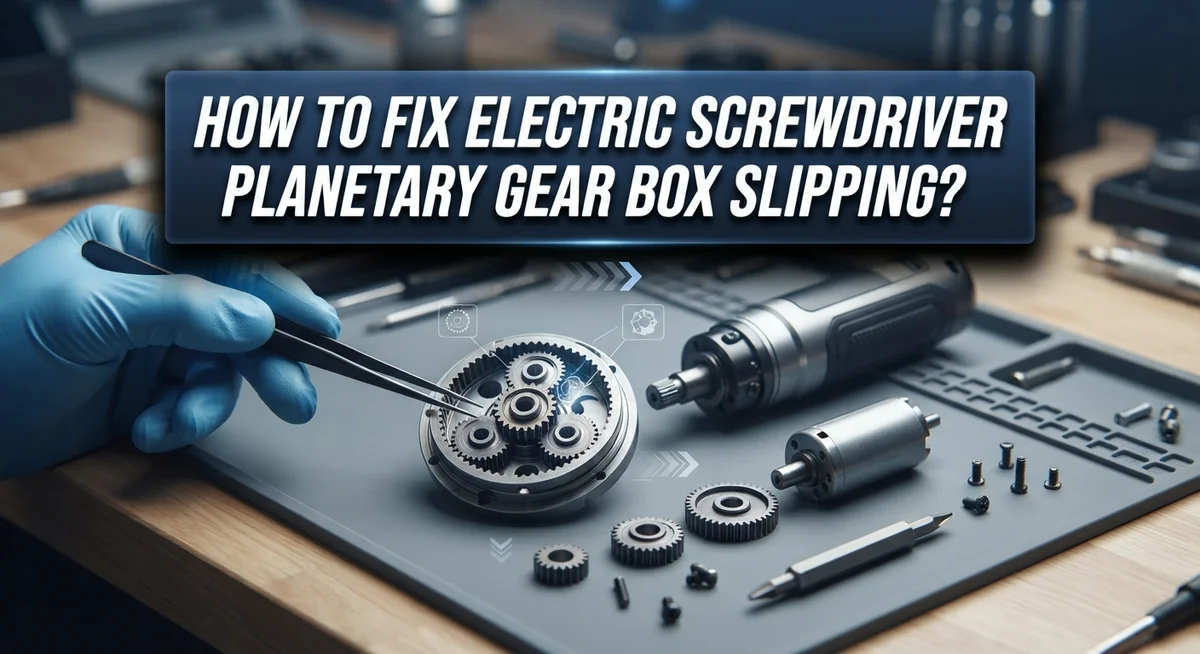
The gearbox contains three main parts working together. The sun gear sits in the center. The ring gear wraps around the outside. The carrier holds multiple planet gears that orbit between them. When power flows through this system, the gears mesh and transfer force to your screwdriver’s chuck.
This design creates incredible torque multiplication. Small movements at the motor become strong rotational force at the output. That’s why your screwdriver can drive tough fasteners with minimal effort.
Slipping happens when these gears lose their grip on each other. The carrier may shift out of position. The gears themselves wear down from repeated use. Lubrication can dry out or degrade over time. When any of these conditions occur, power transfer breaks down and you get that frustrating free spinning without actual driving force.
Proper alignment is absolutely critical. Each gear must sit at the exact right distance from its neighbors. Even small gaps cause slipping. The carrier must stay centered and level. The sun gear and ring gear must maintain their relationship perfectly.
Lubrication keeps everything moving smoothly while preventing wear. Dry grease creates excessive friction and slop. Fresh, appropriate lubricant fills tiny gaps and protects metal surfaces. Without it, gears grind against each other and deteriorate quickly.
Your screwdriver’s gearbox is a precision instrument. Small problems compound fast. The good news is that understanding these basics puts you in control of the repair process. You now know what to look for and why each step matters.
Signs and Symptoms of a Slipping Gearbox
Your electric screwdriver shows several clear warning signs when the planetary gearbox starts slipping. The most obvious symptom is free spinning without resistance. When you pull the trigger, the motor runs but the chuck rotates freely without gripping the screw properly.
You might notice the screwdriver makes a whirring sound but fails to drive fasteners into material. This happens because the gears no longer transfer power effectively to the output shaft. The tool feels like it’s working, but nothing actually happens.
Another telltale sign is inconsistent torque delivery. Your screwdriver might work fine on some screws but suddenly slip on others. This spotty performance indicates the gears are losing contact intermittently rather than consistently.
Pay attention to unusual grinding or clicking noises coming from inside the gearbox. These sounds suggest the gears are not meshing smoothly anymore. You might also feel vibration or chattering through the handle during operation.
The chuck may appear to move slightly side to side or wobble when you hold it still. This movement reveals that the carrier and ring gear have lost proper alignment. Misalignment causes the gears to slip past each other instead of engaging firmly.
Slow power delivery is another symptom to watch for. Your screwdriver takes longer to drive screws than it used to. The tool still functions but operates at reduced efficiency.
If your screwdriver exhibits any of these signs, the gearbox needs attention soon. Continuing to use a slipping gearbox causes additional wear to all internal components. Early intervention prevents complete gearbox failure and keeps your tool working reliably.
What Causes Planetary Gear Slippage
Planetary gear slippage happens for specific mechanical reasons. Understanding these causes helps you fix the problem correctly.
Dry grease is the most common culprit. Over time, the lubricant inside your gearbox hardens and loses its slickness. When grease dries out, the gears cannot grip each other properly. They spin without transferring power effectively, creating that frustrating slipping sensation.
Wear and tear naturally degrades gear teeth. The sun gear, ring gear, and carrier all experience friction during normal use. Small metal particles accumulate inside the gearbox. These particles create rough spots on gear surfaces, reducing contact between components.
Misalignment of internal components stops gears from meshing correctly. If the carrier shifts even slightly, the sun gear no longer sits at the proper distance from the ring gear. This gap prevents teeth from engaging fully. The result is slipping and loss of torque.
Contamination inside the gearbox causes serious problems. Dust, dirt, and moisture enter through worn seals. These particles mix with the lubricant and create a grinding paste. This paste prevents smooth gear rotation and causes slipping.
Assembly errors during previous repairs can introduce slipping. If parts were not reinstalled in the correct positions, gear alignment suffers immediately. Even small mistakes in carrier placement affect the entire system.
Load issues also trigger slipping. Using your screwdriver beyond its rated capacity stresses the gearbox excessively. The gears cannot handle the pressure and slip under heavy loads.
Temperature changes affect lubricant consistency. Cold temperatures thicken grease, while heat thins it out. Either extreme reduces the lubricant’s effectiveness at holding gears together.
Identifying which cause applies to your screwdriver guides your repair strategy. Each cause requires a slightly different fix.
Tools and Materials Needed for the Repair
You’ll need several basic items to successfully repair your electric screwdriver’s planetary gearbox. Start by gathering cleaning supplies to remove old grease and debris from internal components.
A sanding tool or scotch bright pad works well for cleaning gear ends thoroughly. These abrasive materials remove oxidized grease and contamination that causes slipping. You can attach sanding tools to a drill for faster, more consistent results across all gear surfaces.
Next, collect polishing supplies for the cross pin. A polishing compound helps restore the pin’s smooth surface, which improves gear engagement. The cross pin must be clean and properly finished to function correctly.
You’ll also need lubricating oil suitable for your gearbox specifications. Different screwdriver models require different lubricant types. Check your manual to identify the correct oil viscosity and formula. Using the wrong lubricant causes slipping to return quickly.
Gather basic hand tools including screwdrivers, wrenches, and pliers to disassemble the gearbox housing. Small containers help you organize tiny springs, washers, and pins during disassembly. A workbench with good lighting prevents losing small components.
Consider having a brush or small cloth available for detailed cleaning work inside tight spaces. Compressed air can blow out stubborn debris from gear teeth and carrier areas.
A torque wrench ensures you reassemble components with correct tightness. Over tightening or under tightening creates misalignment and future slipping problems.
Finally, keep your screwdriver’s manual nearby throughout the repair. It provides specific assembly sequences, torque specifications, and lubrication requirements unique to your model.
Step-by-Step Guide to Fixing a Slipping Gearbox
Start by carefully disassembling your electric screwdriver to access the planetary gearbox. Remove the housing screws and gently separate the casing to expose the internal components. Work slowly to avoid damaging any electrical connections or wiring inside.
Once you have access, examine the carrier, sun gear, and ring gear configuration. Look for visible wear patterns, debris, or dried lubricant coating the gear surfaces. Take photos before disassembly so you can reference the original positioning during reassembly.
Clean the gear ends using a sanding tool or scotch bright pad. Apply gentle pressure and work systematically across each gear surface to remove accumulated grease buildup and contaminants. Pay special attention to the cross pin, which often accumulates dried material that contributes to slipping.
Polish the cross pin with an appropriate polishing compound. This small component plays a critical role in gear engagement, so thorough cleaning directly improves performance. Wipe away all residue with a clean cloth when finished.
Inspect the carrier alignment carefully. Misalignment causes gears to mesh improperly, leading to slipping. Check that all components sit in their correct positions and that nothing appears bent or damaged.
Apply fresh lubricating oil designed for your specific gearbox type. Proper lubrication prevents the dry grease condition that causes most slipping problems. Use the amount specified in your screwdriver manual to avoid over lubrication.
Reassemble all components in reverse order, ensuring each piece returns to its original position. Tighten fasteners firmly but avoid over tightening, which can cause misalignment. Test the screwdriver on scrap material before returning to regular use to verify the slipping has stopped.
Lubrication and Alignment Tips for Long-Term Performance
Proper lubrication keeps your planetary gearbox running smoothly for years. Dry grease is your biggest enemy because it loses its ability to reduce friction between gear teeth. Check your current lubricant by opening the gearbox and inspecting the gear surfaces. If the grease looks hardened or crusty, replacement is necessary.
Select a lubricating oil that matches your gearbox specifications. Your screwdriver’s manual will list the correct viscosity and type. Apply the new lubricant evenly across all gear surfaces, especially where the sun gear meets the ring gear. Don’t over lubricate, as excess oil attracts dirt and causes buildup.
Alignment directly affects how well your gears mesh together. Misaligned components create gaps that cause slipping even with fresh lubricant. After cleaning the gear ends with a sanding tool, check that the carrier sits perfectly centered. The cross pin should align with both the carrier and output shaft without any visible gaps.
Inspect the derailleur alignment if your screwdriver has one. A bent derailleur can push the chain against the gear cover, creating stress that triggers slipping. Straighten or replace it as needed.
Before reassembly, verify that all gear teeth are clean and free of debris. Use a small brush to remove dust from tight spaces. Wipe the cross pin with a cloth after polishing to remove any residue.
Reassemble components in reverse order, tightening fasteners evenly. Don’t rush this step. Proper reassembly ensures your gearbox maintains correct alignment and lubrication distribution. Test your screwdriver gently before full use to confirm the slipping has stopped.
Common Mistakes to Avoid During Repair
Many people rush through repairs and skip critical steps that prevent future problems. Here are the mistakes you should avoid when fixing your planetary gearbox.
Don’t skip the cleaning phase. Gear surfaces covered in old grease or debris won’t mesh properly, even after reassembly. Take time to clean every tooth and surface thoroughly. Rushing this step means your slipping problem returns quickly.
Avoid using the wrong lubricant. Many people grab whatever oil sits nearby in their garage. Your gearbox needs specific lubricating oil designed for its type and specifications. Using incorrect lubricant causes dry grease buildup, which leads to slop and slipping again.
Never reassemble without checking alignment. Components must sit in their exact original positions. Misaligned gears create gaps that cause immediate slipping. Verify carrier alignment and output configuration before you tighten anything.
Don’t ignore load control during assembly. Each component needs proper tightness. Too loose and parts shift during operation. Too tight and you damage gear teeth. Use a torque wrench to get fastener tension correct.
Avoid overlooking the derailleur. If your screwdriver has one, misalignment here causes chain slap against the gear cover. This creates friction and accelerates wear. Check this alignment carefully before reassembly.
Don’t skip the final inspection. Before putting your screwdriver back together completely, verify that all gears spin freely without resistance. Free spinning indicates proper cleaning and alignment. Any grinding or catching means something needs adjustment.
These mistakes are easy to make but create expensive problems. Taking extra time on each step ensures your repair lasts and your screwdriver performs reliably.
Troubleshooting Persistent Slipping Issues
When your electric screwdriver’s planetary gearbox continues to slip despite initial repairs, you need to dig deeper. Persistent slipping usually signals one of three problems: incomplete cleaning, wrong lubricant selection, or hidden wear damage.
Start by checking your lubricant choice. Dry grease causes planetary gear slop that won’t disappear with simple reassembly. The oil you select must match your gearbox specifications exactly. Using generic lubricant or old oil creates slipping that returns within days of use.
Next, verify your cleaning was thorough. Old grease traps debris between gear teeth. Even tiny particles prevent proper mesh and cause slipping to continue. Run a drill with a sanding tool across all gear surfaces again. Pay special attention to the cross pin and carrier areas where residue hides.
Misalignment often causes slipping that persists after repair. Check that your carrier sits in the exact original position. The sun gear and ring gear must mesh without gaps. Even slight misalignment creates spaces where teeth slip past each other.
If you have a derailleur, inspect its alignment carefully. Misaligned derailleurs cause chain slap against the gear cover, which transfers vibration to your gearbox and creates false slipping sensations.
Load control during assembly matters too. Fasteners that are too loose allow components to shift. Fasteners that are too tight strain the gears and cause premature wear. Tighten each piece evenly and check alignment after each step.
If slipping persists after these checks, internal gear teeth may have worn beyond repair. Examine teeth under good lighting for chips, cracks, or flat spots. Worn teeth won’t grip properly regardless of cleaning or lubrication. This indicates your gearbox needs replacement rather than repair.
Final Thoughts
Fixing a slipping planetary gearbox comes down to three things. Clean gears, proper lubrication, and correct alignment. Master these basics and most slipping problems disappear.
Your screwdriver doesn’t need to be new to work well again. Many slipping issues stem from simple neglect rather than actual damage. A little maintenance often restores full power.
Start simple. Check your grease first. Dry or degraded grease causes most slop you feel in the gears. This is often the easiest fix you’ll find.
Take time during cleaning. Rushing this step leads to problems later. Clean gear surfaces matter more than any other single factor in successful repairs.
Alignment deserves your full attention too. Components must return to their exact original positions. Skipping this step guarantees continued slipping, no matter how clean your gears are.
Free spinning without resistance signals trouble every time. Don’t ignore this warning sign. It means something inside needs your attention right away.
Sometimes gears wear beyond simple repair. Worn teeth cannot mesh properly again, regardless of how well you clean or lubricate them. This happens after years of heavy use.
When basic fixes don’t work, look deeper into the mechanism. Check the carrier alignment again. Inspect any derailleur components for proper positioning as well.
Patience pays off with these repairs. Take your time through each step rather than rushing to reassemble. A careful approach now saves you frustration and repeated repairs later.
Most screwdrivers respond well to proper care. Your tool can run smoothly again with the right attention to these key areas.
Frequently Asked Questions
Why does my planetary gearbox spin freely without resistance?
Free spinning without resistance is a red flag. This means your gears aren’t catching properly. Dry grease is often the culprit here. Over time, lubricant breaks down and loses its grip on the gear teeth.
Check your lubricant first. If it looks thick and crusty, replacement is needed. Sometimes the gears themselves have worn smooth and can’t mesh together anymore.
What causes that slipping sensation during use?
Slipping happens when gears don’t mesh tightly. This occurs due to three main reasons: worn teeth, misalignment, or bad lubrication.
Worn teeth feel smooth instead of rough. Misalignment means your carrier or sun gear sits in the wrong position. Poor lubrication leaves gears dry and unable to grip each other.
Can I fix slipping without taking the gearbox apart?
Not really. You need to open the gearbox to see what’s happening inside.
The good news? Most fixes happen during disassembly and cleaning. You’ll sand the gear ends smooth, polish the cross pin, and apply fresh lubricant. These simple steps solve slipping in most cases.
How do I know if my gears are damaged beyond repair?
Inspect the gear teeth closely after cleaning. Smooth, worn teeth mean the gears have lost their shape. Deep cracks or broken teeth indicate permanent damage.
If teeth look sharp and intact, your gearbox can be saved. If they’re rounded or chipped, internal wear has gone too far. Replacement becomes your only option.
What’s the most common mistake people make during repair?
Skipping the cleaning phase. People rush to reassemble without removing old, dry grease and debris.
Gear surfaces must be spotless before reassembly. Dirty gears won’t mesh properly no matter how much new oil you add.

Hi, I’m Rue Hessel, the founder and voice behind TheGenTool. I’m a passionate tech enthusiast who loves exploring the latest gadgets, smart devices, and electronics that shape our everyday lives. Through my website, I share honest, hands-on reviews of trending Amazon products to help you make smarter and more confident buying decisions.